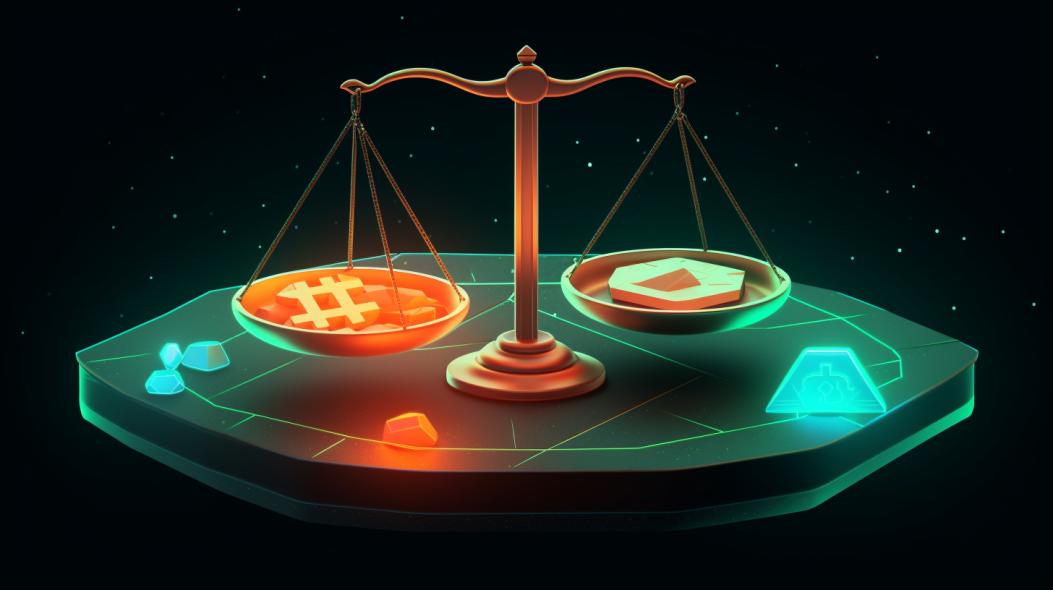

The use of NFTs in crypto trading and how they differ from traditional assets

The financial landscape is undergoing a seismic shift, driven by the advent of digital currencies and the breakthrough of blockchain technology. Within this transformative epoch, one of the most captivating phenomena is the emergence of Non-Fungible Tokens (NFTs), which have sparked the curiosity of traders, investors, and digital enthusiasts globally. Let’s delve into the world of NFTs, their role in cryptocurrency trading, and how they diverge from traditional assets.
Decoding Non-Fungible Tokens (NFTs)
NFTs: An Overview
NFTs are unique digital tokens that authenticate ownership of a specific digital item or asset, such as artwork, music, virtual real estate, or collectibles. They stand apart from cryptocurrencies like Bitcoin or Ethereum because of their non-interchangeable nature, denoting unique attributes that distinguish one NFT from another.
Blockchain and Smart Contracts: The Backbone of NFTs
Riding on the backbone of blockchain technology, particularly the Ethereum network, NFTs benefit from an immutable, decentralized ledger that records transactions and ownership. The creation and management of these digital assets are typically facilitated through smart contracts, enabling automated, self-enforcing agreements between parties [1].
[1] Winklevoss, C., & Winklevoss, T. (2021). Non-fungible tokens (NFTs): A new paradigm for ownership. Gemini. Retrieved from https://www.gemini.com/blog/non-fungible-tokens-nfts-a-new-paradigm-for-ownership
Navigating NFTs in Crypto Trading
NFT Market: A Tale of Explosive Growth
The NFT market has witnessed a meteoric rise in recent years. As per NonFungible.com’s report, the total value of NFT transactions skyrocketed to $24.9 billion in 2021, up from a mere $250 million in 2020. This burgeoning interest has lured both individual and institutional investors into the NFT fold.
NFT Trading Platforms and Marketplaces
Various digital platforms and marketplaces such as OpenSea, Rarible, and SuperRare have emerged to facilitate NFT trading. These platforms empower users to create, purchase, sell, and trade NFTs, often leveraging the native ERC-721 or ERC-1155 token standards on the Ethereum network.
NFT Trading Strategies: From Flipping to Yield Farming
Just as in stock or real estate markets, some investors purchase and hold NFTs with the hope of offloading them at a higher price later, a strategy known as flipping. Other NFT projects offer staking and yield farming opportunities, where investors can accrue returns by offering their NFTs as collateral or contributing to liquidity pools.
NFTs vs. Traditional Assets: A Comparative Study
Tangibility and Ownership
One of the glaring contrasts between NFTs and traditional assets is their intangible nature. While conventional assets like stocks, bonds, or real estate are anchored to physical or tangible entities, NFTs signify digital ownership of a unique item or asset.
Liquidity and Market Efficiency
Traditional assets generally enjoy high liquidity and standardized pricing mechanisms in well-established markets. Conversely, NFTs often grapple with lower liquidity and greater price discrepancies due to their unique nature and the absence of standardized valuation methods.
Regulation and Legal Framework
The regulatory landscape for NFTs is still being charted, with lawmakers and regulators actively working to establish rules and guidelines for this burgeoning asset class. In contrast, traditional assets operate within well-defined regulatory frameworks that oversee their issuance, trading, and taxation.
The Future of NFTs in Crypto Trading
Mainstream Institutions: The New Entrants
As NFTs continue to gain traction, mainstream institutions such as banks, investment funds, and even governments are starting to investigate their potential applications. Visa’s acquisition of a CryptoPunk NFT for $150,000 in 2021 underscores its interest in the expanding digital asset space. These forays by major institutions could significantly influence the acceptance and integration of NFTs into the broader financial ecosystem [2].
[2] Visa. (2021). Visa acquires a CryptoPunk NFT
Technological Innovations and Scaling Solutions
As the NFT market swells, the demand for robust technological infrastructure intensifies. Scaling solutions like Ethereum 2.0 and Layer-2 networks aim to tackle the present limitations of blockchain networks, potentially making NFT trading more streamlined and cost-effective.
Diversification and Asset Management
NFTs present an alternative investment opportunity for those seeking to diversify their portfolios. As more investors recognize the potential value of NFTs, we might witness a surge in their use in asset management and financial planning strategies.
Final Thoughts
NFTs are a remarkable evolution in the realm of crypto trading and mark a significant departure from traditional asset classes. They present thrilling opportunities for investors and collectors alike, but understanding their unique characteristics, market dynamics, and the regulatory landscape is paramount. As the market matures and technological innovations continue to surface, NFTs may increasingly become an integral component of the ever-evolving financial landscape.