
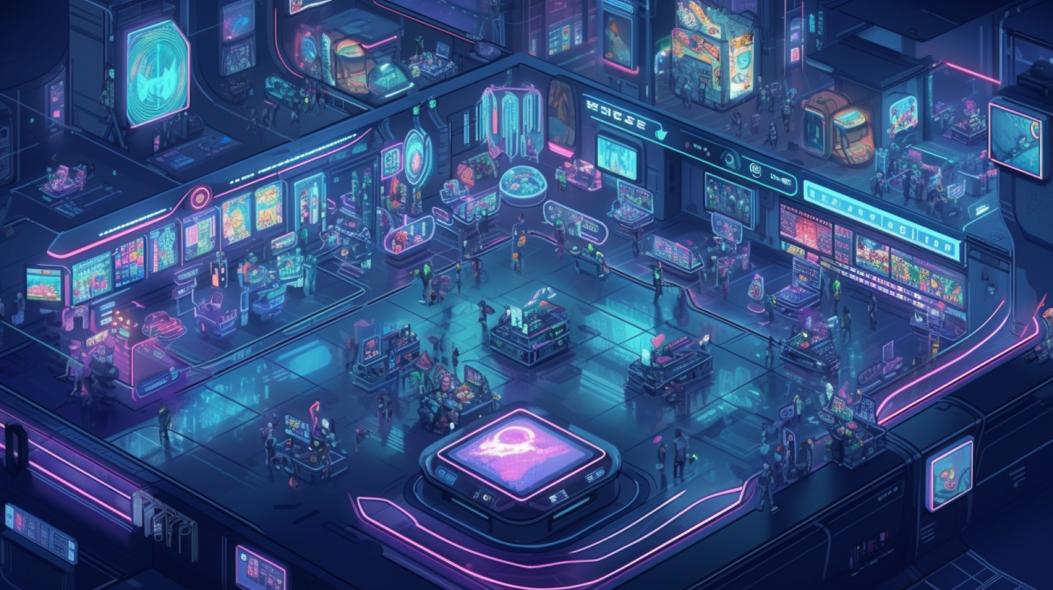
Investing in NFT Games: A Guide for Crypto Traders

In a rapidly evolving digital landscape, blockchain technology and non-fungible tokens (NFTs) have been transformative in the gaming industry. They’ve revolutionized the way in-game assets are valued, traded, and owned, paving the way for players to monetize their virtual exploits. With the gaming industry projected to be worth $196 billion by 2022, the opportunities for crypto enthusiasts to invest in NFT games are escalating. In this guide, we delve into this emerging market.
Part I: The NFT Revolution in Gaming
NFTs, unique digital assets signifying ownership of a specific item or piece of content, have captured the imagination of collectors and investors alike. Unlike conventional cryptocurrencies such as Bitcoin or Ethereum, NFTs are non-interchangeable and indivisible, which lends them a unique appeal.
In the world of gaming, NFTs have transformed digital assets such as characters, weapons, and landscapes into valuable commodities that can be traded in decentralized marketplaces. This newfound ability for players to monetize their gaming experiences has transformed the gaming industry from a recreational pastime into a potential income source.
Part II: Investing in NFT Gaming
When it comes to investing in NFT games, several factors come into play. The popularity of the game and the strength of its community, for instance, are key determinants of the demand for in-game assets. Potential investors need to scrutinize player count, social media followers, and the frequency of developer updates to assess the game’s potential for success.
The design of the game’s in-game economy and its tokenomics is another crucial factor. The utility of the native token, the model of its distribution, and the scarcity of in-game assets can all impact the value of these digital assets and the potential for long-term growth.
Lastly, the reputation of the development team can make or break a game’s investment potential. A proficient team with a history of successful projects is more likely to deliver a high-quality game, leading to increased investor confidence. Due diligence on the developers’ background, their past projects, partnerships, and industry recognition is, therefore, essential.
Part III: Successful NFT Games: Case Studies
Take Axie Infinity, for example. Developed by Sky Mavis, Axie Infinity is a blockchain-based game that allows players to breed, battle, and trade digital creatures known as Axies. The game’s popularity has exploded, with over 2 million daily active users and a total market capitalization of over $2.5 billion.
Another notable success story is Decentraland, a virtual world built on the Ethereum blockchain where users can buy, sell, and trade digital land parcels, known as LAND tokens. Decentraland’s decentralized approach has fostered a sense of ownership and collaboration among users, driving innovation and the value of its native currency, MANA, which has experienced significant growth in recent years.
Decentraland also serves as an accessible gateway for gamers into the world of crypto trading. By participating in Decentraland, users get hands-on experience with blockchain technology, digital wallets, smart contracts, and other key components of crypto trading.
Moreover, the in-game economy of Decentraland introduces users to fundamental market dynamics such as supply and demand, price fluctuations, and trading strategies. This practical experience can provide a solid foundation for gamers venturing into broader cryptocurrency markets.
Decentraland’s strategic partnerships and integrations with other blockchain projects have further bridged the gap between gaming and crypto trading. For instance, the platform’s integration with popular decentralized finance (DeFi) protocols, like Aave and Compound, offers users access to financial services within the virtual world, introducing them to more advanced concepts in the crypto ecosystem.
Part IV: Risks and Regulatory Considerations
As enticing as the opportunities are, gamers venturing into crypto trading must be cognizant of the risks and volatility inherent in the cryptocurrency market. Cryptocurrency prices can fluctuate dramatically, leading to significant losses for inexperienced traders without proper risk management strategies.
Furthermore, the regulatory landscape of cryptocurrencies is complex and constantly evolving, which can pose challenges for gamers transitioning to crypto trading. As different countries have varying regulations, traders must stay informed about the legal status and requirements of digital currencies in their respective jurisdictions. Non-compliance can lead to penalties, fines, or legal complications.
Conclusion
NFT gaming is emerging as a powerful catalyst for gamers to enter the world of cryptocurrency trading. By familiarizing gamers with digital assets, blockchain technology, and market dynamics, NFT gaming experiences can offer valuable insights and practical skills for navigating the broader crypto market. As the NFT gaming and cryptocurrency industries continue to evolve and intersect, the opportunities for gamers to transition seamlessly into crypto trading will likely expand.
However, gamers must also recognize and understand the risks and challenges associated with cryptocurrency trading, including market volatility and regulatory complexities. By staying informed, developing proper risk management strategies, and complying with local regulations, gamers can navigate the exciting world of crypto trading with greater confidence and success.
The rise of NFT gaming as a conduit to cryptocurrency trading marks a pivotal moment in the convergence of two rapidly evolving industries. As more gamers become crypto traders, the future of both sectors looks increasingly interconnected and promising.